Trading Traffic for Tributaries: A Different Kind of Commute in the Ecuadorian Amazon
Experiencing the Amazon Differently

I come from one of the most traffic-choked cities in America — a place where an hour-long commute is considered normal and monthly tolls quietly siphon hundreds of dollars from family budgets. Brake lights stretch endlessly. Engines idle. Patience thins.
So when the opportunity arose to join the inaugural ConservationVIP Amazon program in Ecuador, the decision felt almost comically simple. Trade congestion for canopy? Asphalt for river? Yes. Without hesitation.
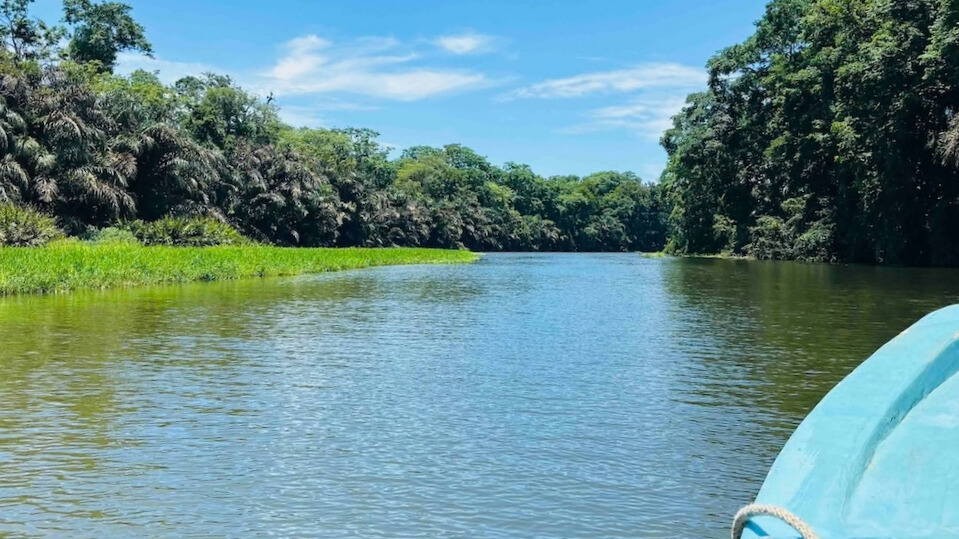
In June, I exchanged turnpikes and overpasses for the dark, glassy tributaries of the Amazon Basin. For eleven days, my commute became a narrow canoe slicing through the flooded forests of the Cuyaben0 Wildlife Reserve — a 2,000-square-mile protected region in northeastern Ecuador. Reaching it requires commitment: a flight from Quito, a long bus ride across oil roads and rural towns, then three more hours by motorized canoe. Civilization fades incrementally until the only soundtrack is birdsong and the lapping river.
One quickly learns that the Amazon is not simply a river. It is an ecosystem that breathes. During peak inundation, waters swell outward for miles, swallowing entire forests. What appear to be low shrubs and tangled hedges are, in fact, the submerged crowns of 40-foot trees. Months later, in the dry season, those same trees tower above firm ground where villagers gather fruit and forage for mushrooms. The geography itself transforms. The landscape is less static terrain than living pulse.
Wildlife Encounters in the Cuyabeno Wildlife Reserve
And it is alive in every sense. The Amazon contains more biodiversity than anywhere else on Earth. Each morning, we pushed off from our remote eco-lodge, our canoe guided by local boatmen who read the river with uncanny intuition. A ripple might signal a submerged log capable of snapping an engine shaft. A faint serpentine wrinkle on the surface could indicate a 20-foot anaconda. A subtle wake might reveal giant river otters slipping between banks — which we were fortunate enough to witness. Then there were the dolphins.
The Amazonian pink river dolphin surfaces almost shyly, a blush-colored arc breaking through brown water. Among the basin’s most threatened mammals, they are both ethereal and prehistoric, appearing suddenly before dissolving back into opacity. We saw several — fleeting, extraordinary.
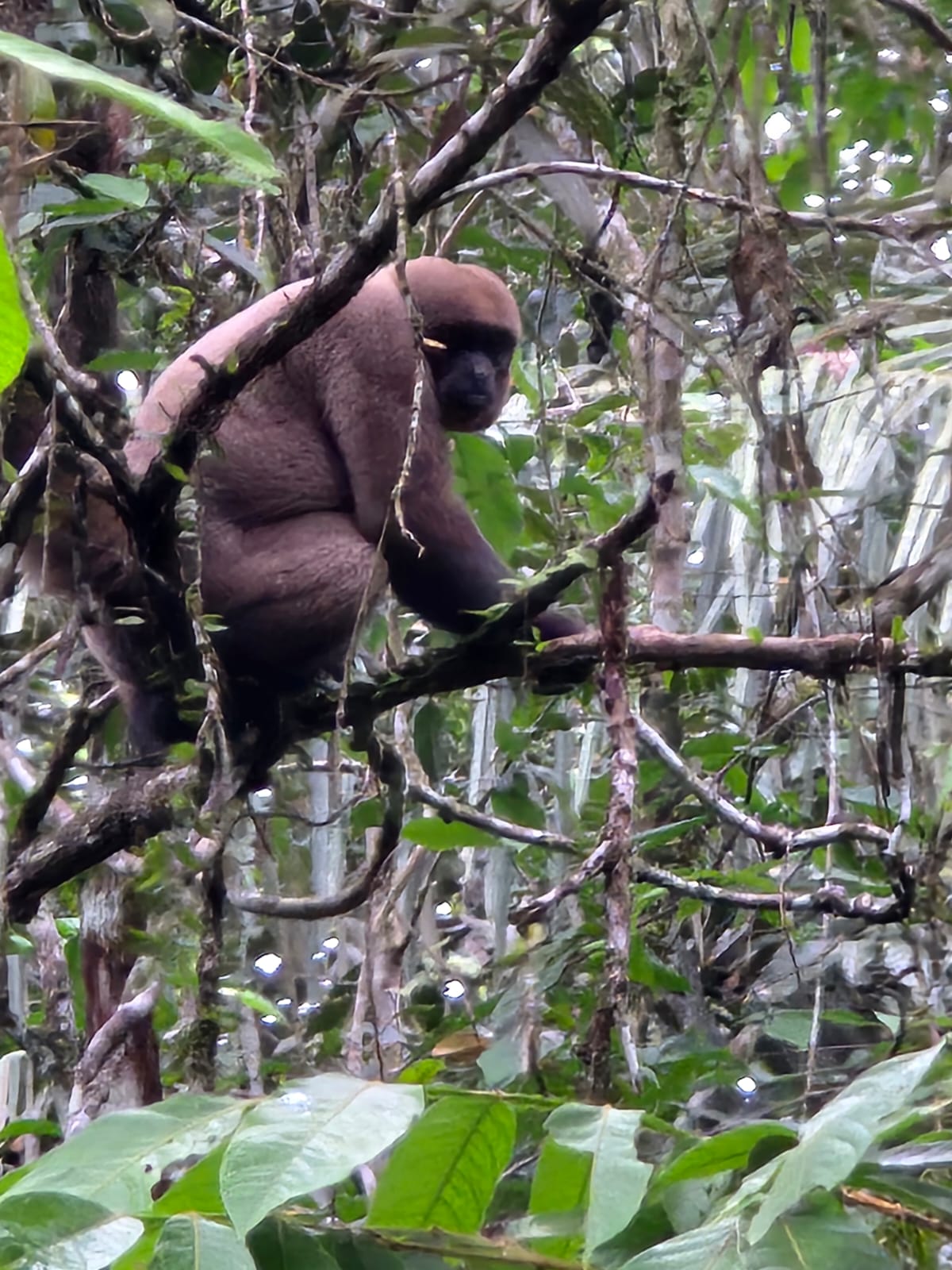
For me, though, the monkeys were my zenith. As an anthropologist, primates have long held my fascination, and Cuyabeno did not disappoint. The reserve is home to ten species. We encountered howlers whose deep, resonant calls reverberated like distant thunder; nimble spider monkeys launching themselves impossibly between branches; curious capuchins peering down at us from the canopy. The woolly monkey — nearly 20 pounds and disarmingly expressive — seemed contemplative at our presence. At the opposite extreme, the pygmy marmoset, weighing just four ounces, clung delicately to tree bark, the smallest primate on Earth and nearly weightless against the vast forest.
Supporting Conservation with Local Rangers
But this was not merely a wildlife excursion. I had come to contribute. Accompanied by six other ConservationVIP travelers, we and three leaders, we committed our time and muscles to help conserve this special place. We committed our hearts to build new relationships among local families.
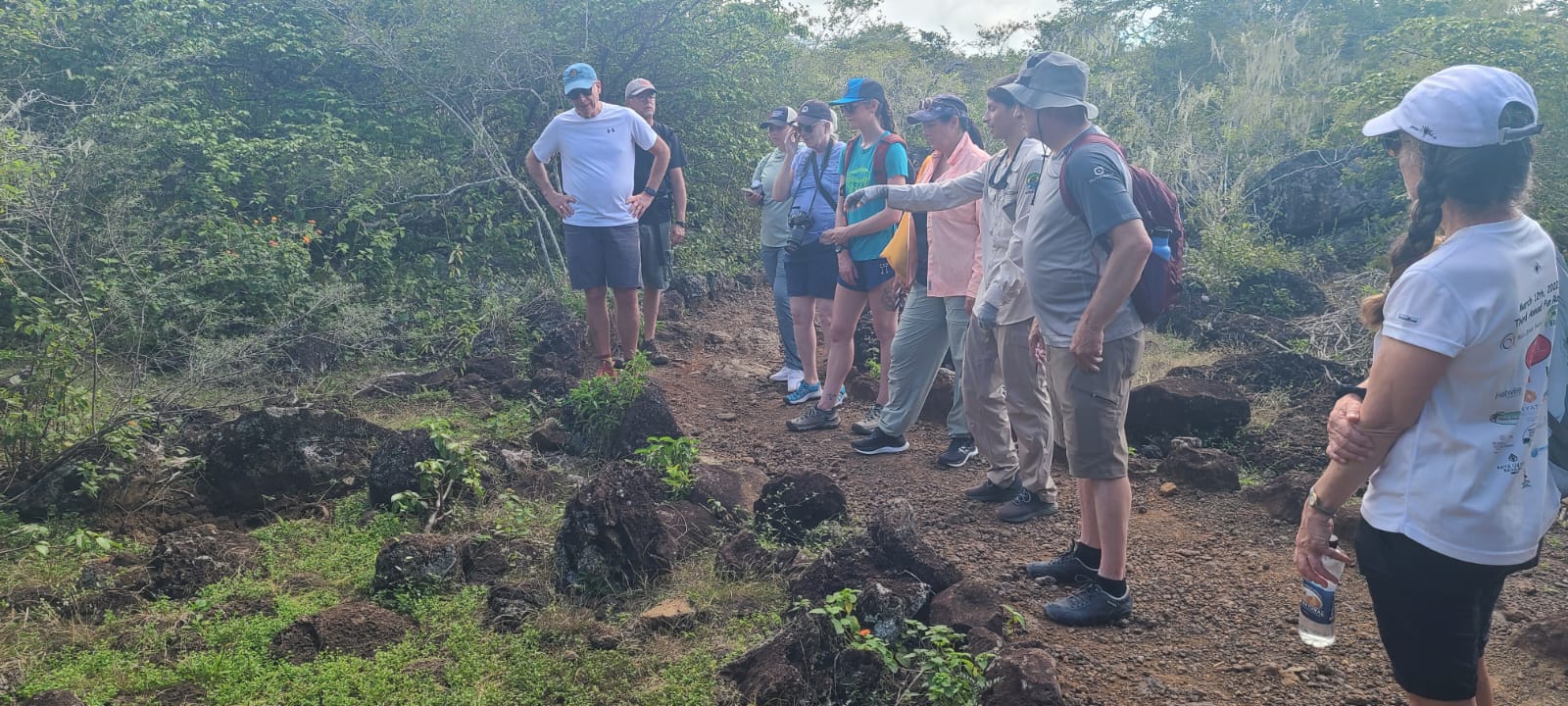
ConservationVIP partners with Ecuadorian park rangers responsible for safeguarding Cuyabeno’s fragile ecosystems. Rangers monitor wildlife populations, land use, and resource extraction, often navigating dense forest on foot in punishing humidity. Over several days, we cleared and widened critical trail systems, improving access for biodiversity surveys and patrols. Armed with pruning devices, GPS units, and bright marking tape, we established 50-meter transects — deliberate interventions in the forest designed to strengthen long-term ecological data collection.
The labor was sweaty and humbling. The forest does not yield easily. Yet every cleared meter represented safer passage for those who protect this place year-round. Conservation here is not abstract policy; it is physical, daily commitment.
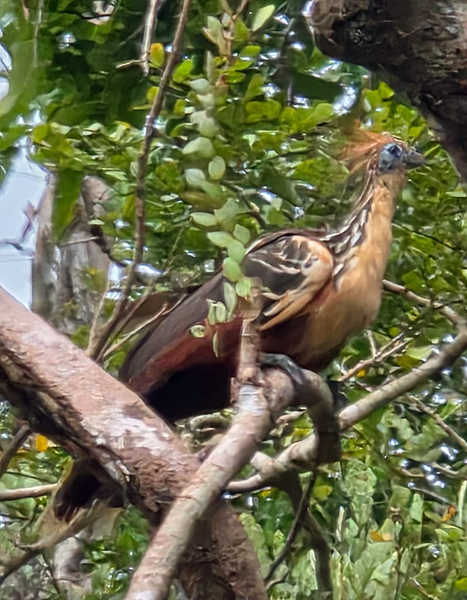
The forest repaid our effort generously. Hoatzins — affectionately dubbed “stinky turkeys” for their fermenting digestive systems — flapped awkwardly along riverbanks. Scarlet macaws streaked overhead in brilliant flashes of red. Toucans, oropendolas, potoos, manakins, and motmots created a layered soundscape so dense it felt orchestrated. Even the most disciplined travelers struggled to focus solely on trail projects. The logbooks of our birding fanatics filled rapidly; ‘life-lists’ exploded.
Community and Collaboration Along the Amazon
Later in the week, longer river journeys brought us to the small villages of Puerto Bolívar and Tarabeaya. Here, conservation intertwines with community. We arrived bearing donated school supplies and practical gifts for young mothers, but what unfolded was less charity and more collaboration. Alongside local families and children, we cleared clutter from modest schoolhouses, swept floors, patched walls, and applied fresh coats of paint inside and out.
Under equatorial sun, laughter replaced self-consciousness and linguistic-awkwardness as everyone — travelers and villagers alike — ended up streaked in bright colors. The lodge prepared meals we shared communally, and leftovers were distributed among families. By day’s end, refreshed classrooms stood as tangible symbols of partnership rather than patronage.
Travel often risks becoming passive, consumptive — landscapes observed, photos captured, departures swift. This was different. Our presence, our effort left something constructive behind.
A Final Encounter: The Harpy Eagle
On our final afternoon, the canoe ride back to the lodge carried quieter energy. We reflected on sore muscles, improbable wildlife sightings, and the simple absurdity of how completely paint had covered our clothing. The river moved steadily beneath us. Some of us closed our eyes, lulled by the engine’s vibration.
Then our guide inhaled sharply.
High along the riverbank canopy, nearly 20 meters above us, perched a harpy eagle. Massive, regal, unmistakable. The largest and most powerful eagle in the world, it surveyed its territory with a composure bordering on mythic. The boat rocked as binoculars were passed frantically from hand to hand.
For a suspended moment, we studied it — and it seemed to study us back.
Of all the Amazon’s extraordinary creatures, the harpy is perhaps its most iconic. That we encountered it on the final stretch of our final commute felt almost scripted, a cinematic farewell from the forest itself.
How This Amazon Conservation Trip Changed My Perspective
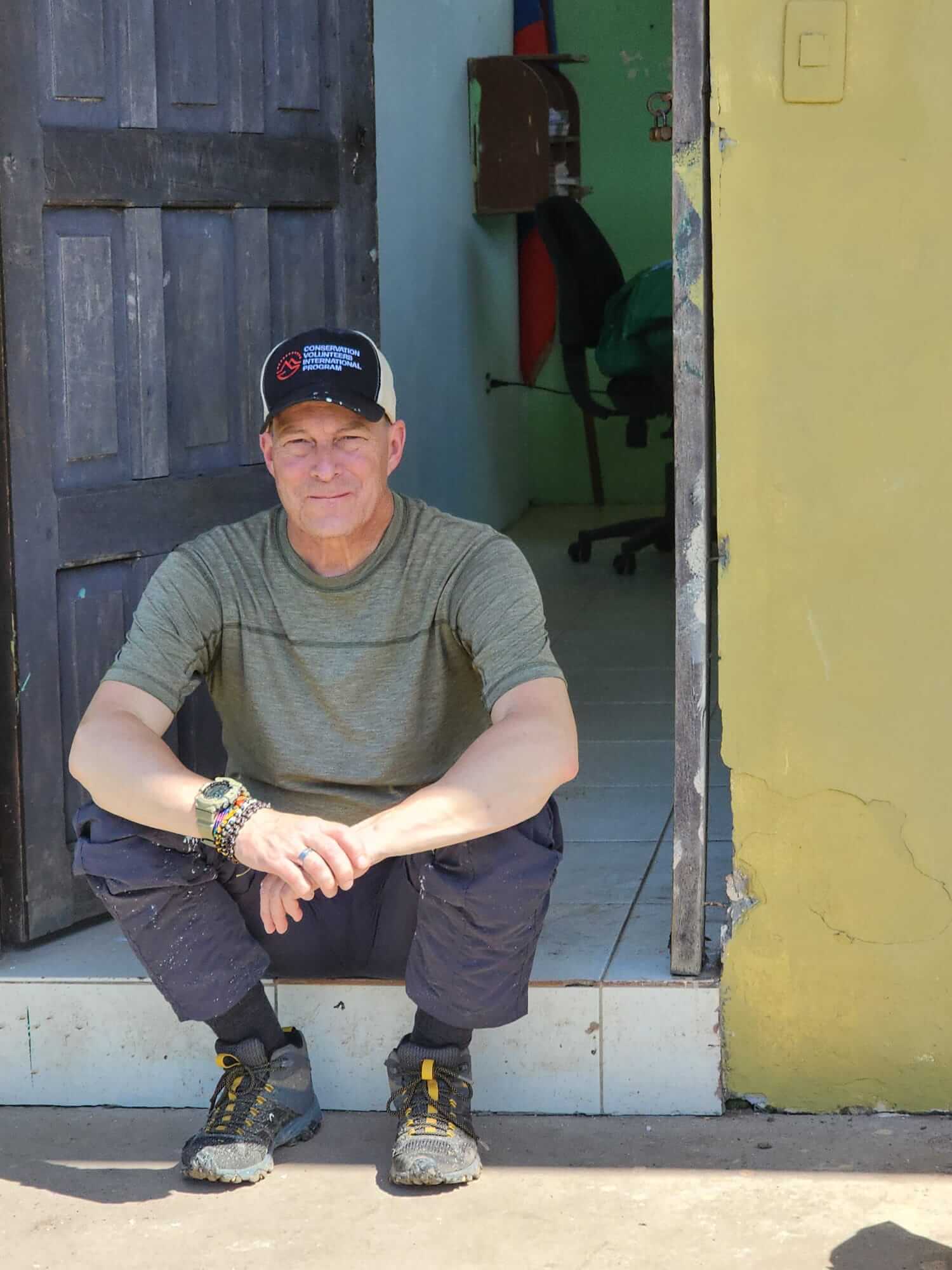 30 minutes later, we arrived at the lodge where refreshing showers and a final meal awaited. The next week, I would return to traffic lights and toll booths.
But something fundamental had shifted. My commute, once defined by congestion and impatience, had been recalibrated by river currents, canopy shadows, and new friends. What once meant endurance now suggested purpose. What once felt obligatory now carried possibility.
Home — yes. But never entirely leaving.
Ready to experience the Amazon as a steward, not a tourist?
Learn more about our Costa Rica Pacuare Volunteer Trip and how you can contribute to protecting one of the world’s most extraordinary ecosystems.
About the Author: Mark Seifert serves on the ConservationVIP Board and is an anthropologist whose career spans university leadership, environmental field education, and cultural advising in rural regions around the world. He and his wife, Julie, are based near Boston and travel often—when their two border collies allow it. Learn more about Mark on our People Page.