Pacuare Reserve: A Conservation Journey in Costa Rica’s Coastal Rainforest
A Conservation Leader’s Connection to Pacuare Reserve
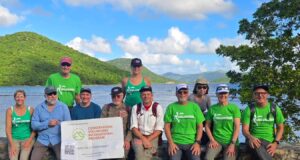
The first time I journeyed to the Pacuare Reserve Costa Rica, I connected deeply with this amazing place and the local people caring for it. Imagine a trip where you can contribute to conserving endangered sea turtles, preserving a rare heron nesting area and collecting information on primates deep in a Costa Rican coastal rainforest. The Pacuare Reserve Costa Rica Volunteer Trip run by ConservationVIP provides all those opportunities and more. As a ConservationVIP trip leader, and a retired U.S. Forest Service employee whose dedication has always centered on protecting public lands, I find this place embodies everything that inspired my career.
My passion has always been conserving public lands with an emphasis on wilderness preservation and community involvement. I am proud to have served as a U.S. Forest Service employee and to have been acknowledged as a leader in wilderness management. My last assignment was as the deputy Regional Forester for the Southwest Region, and I also served as the Deputy to the Under Secretary of Agriculture in Washington D.C. I worked in National Forests across the country, including Coastal South Carolina and the Florida Everglades, which are both important coastal ecosystems like Pacuare.
Why Pacuare Reserve Matters for Wildlife Conservation
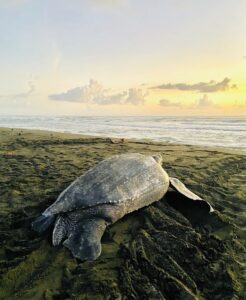
Pacuare Reserve in Costa Rica is the fifth most important nesting beach in the world for the endangered leatherback sea turtle—a massive creature that can weigh over 2,200 pounds and be from 4 to 8 feet in length. This makes Pacuare Reserve an important site for leatherback conservation in Costa Rica. Changing climate conditions have contributed to the need for conserving this ancient and unique sea turtle species. Warming air and sea temperatures affect sea turtle hatchlings as the temperature of the nest determines the sex of the hatchlings. As temperatures rise, females will predominate. This can disrupt normal reproduction rates which adds further pressure to the species.
Sea turtles also tend to return to the same coast where they were hatched to lay their eggs. Rising sea levels can increase beach erosion causing turtles to struggle to find suitable nesting habitat on their home beaches. We can help! And while we can’t immediately reverse beach erosion, we can assure preservation of the next generation of leatherback sea turtles by protecting the nests.
Protecting the Leatherback Sea Turtle
My management philosophy for conservation of National Forests was to emphasize the need for community and volunteer participation in conserving their lands. My message to the public has always been that the Forest Service does not own any land, the Forest Managers are stewards of the land for the public whom they work for. In my roles for the Forest Service, I led numerous volunteer projects in National Forests, as well as establishing the largest and most successful community based public lands interpretive association within the National Forest System. The common thread with ConservationVIP – what each of us contributes matters.
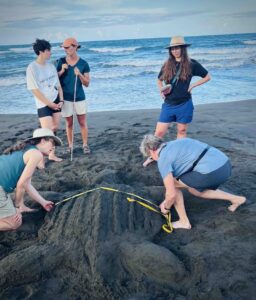
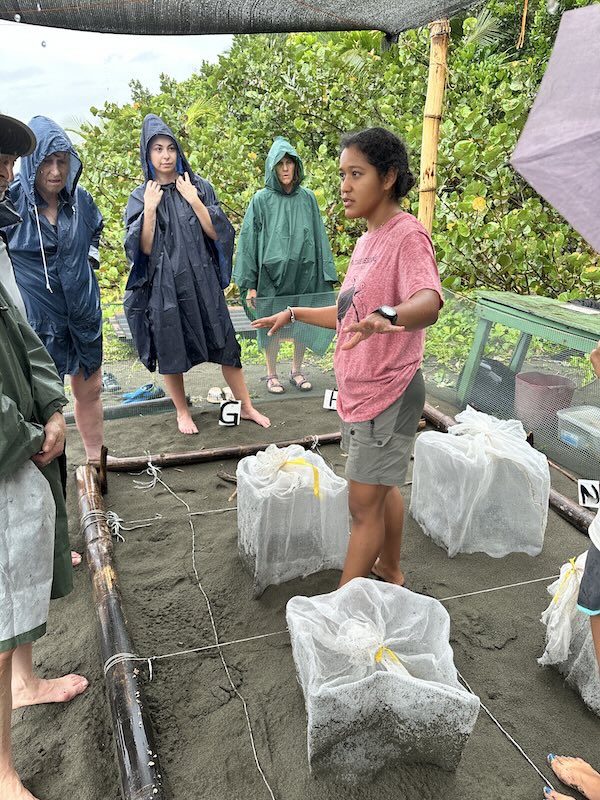
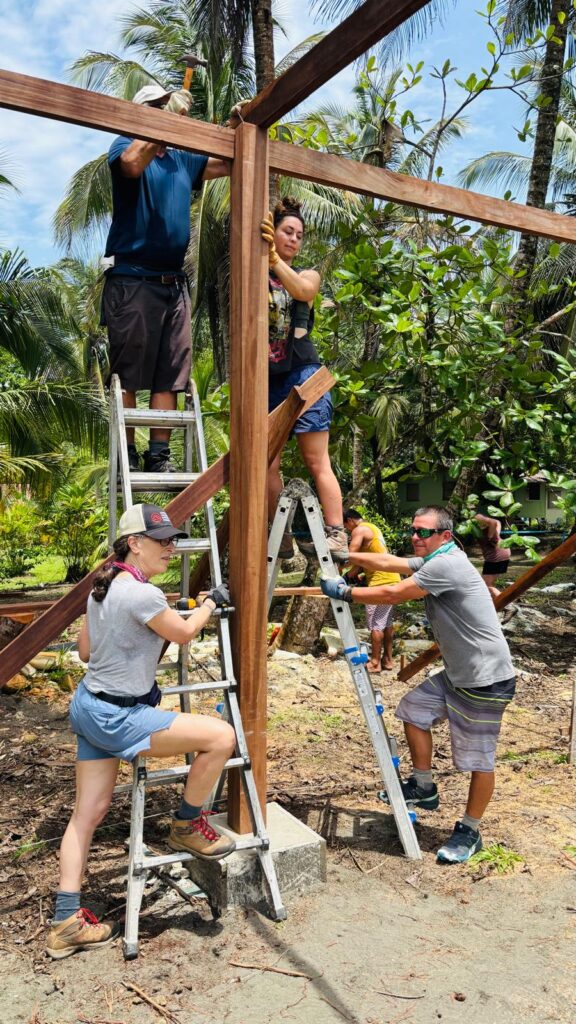
ConservationVIP’s volunteer projects on the Pacuare Reserve Costa Rica Volunteer Trip provide opportunities for travelers to assist researchers in collecting turtle eggs as they are laid and then transporting them to a safe hatchery designed to improve hatching success. Human presence, poaching and other impacts, including a changing climate, all contribute to the need for these efforts. Travelers also help improve facilities for the staff and researchers, enhancing long-term conservation efforts.
Wildlife Encounters in the Costa Rican Rainforest
In addition to leatherback sea turtle habitat, Pacuare Reserve is the only known nesting site for the vulnerable Agami Heron along the Caribbean coast. The Reserve provides a sheltered and secluded nesting area for the reclusive heron. Volunteer projects support researchers protecting this beautiful bird. Travelers have also supported primate researchers who collect population data on local species. In addition, we continue ConservationVIP’s volunteer projects to help the Resplendent Quetzal on our return trip to San Jose, Costa Rica. These hands-on experiences reflect the same spirit of stewardship I championed throughout my Forest Service career.
A Lifelong Commitment to Stewardship
As a ConservationVIP trip leader, I team up with our local Costa Rican Guide, Marco Urena, to provide an interesting and rewarding experience for our travelers, and for myself. They say that you should retire to something. My passion for conservation has continued from the Forest Service to my volunteer efforts with ConservationVIP both as a trip leader and board member. I have led biodiversity focused trips in Costa Rica to both the Pacific and Caribbean coastal areas, as well as, assisting with our trips to restore and reforest portions of lands in Scotland. These trips have provided me with the opportunity to keep my fingers involved in and carrying on a passion for conserving important areas around the world and volunteering with travelers and local partners who have a similar passion.
Journeying to the Pacuare Reserve
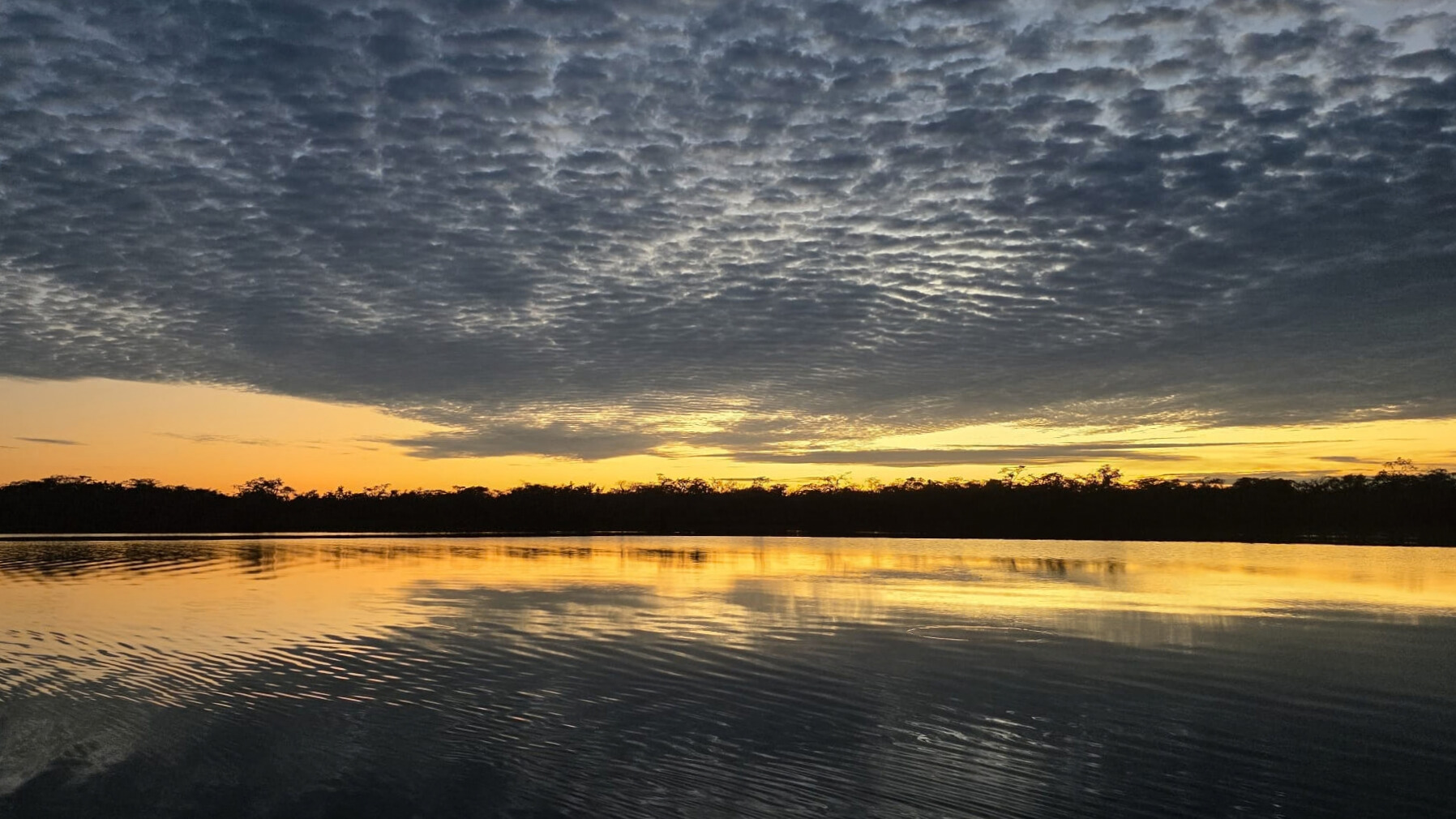
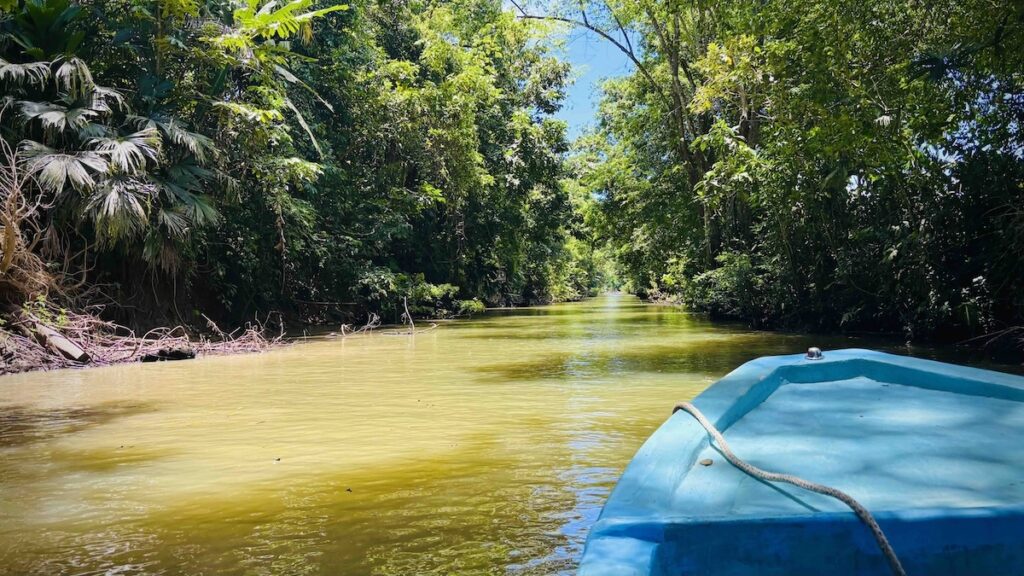
To access Pacuare Reserve, travelers embark from the capital of San Jose, Costa Rica, to a remote boat landing, then board a small boat to wind their way through a lush tropical forest to reach the Reserve entrance. Lodging facilities and a central kitchen area provide ample shelter and nourishment for staff and travelers. Research staff provide our travelers with several lectures and hands on project demonstrations. They also highlight the importance of our contributions and their gratitude. The area’s biodiversity is unmatched, and each trip reminds me of why I’ve devoted my life to conservation. I look forward to bringing new travelers to experience this remarkable place; maybe you will join me.
Join Us in Conservation
Learn more about joining a future trip to Pacuare Reserve in Costa Rica or to The Pacific Coast in Costa Rica .
“This was my first volunteer experience and it has inspired me to do more trips. Pacuare was amazing. Riding up river to the research station, being greeted by howler monkeys, watching sloths lounging in the trees, walking the moonlit beach at night to look for and tend to leatherback turtles, immersing ourselves in the life of the reserve, building a beachfront structure for staff to use – I couldn’t believe I was actually experiencing all this. The highlands were equally enchanting – from the quetzals to the views and the ever present hummingbirds. Magical. And finally, Marco and Jose were phenomenally knowledgeable and eager to share their expertise.” Abby, Pacuare Reserve Trip Review, 2025
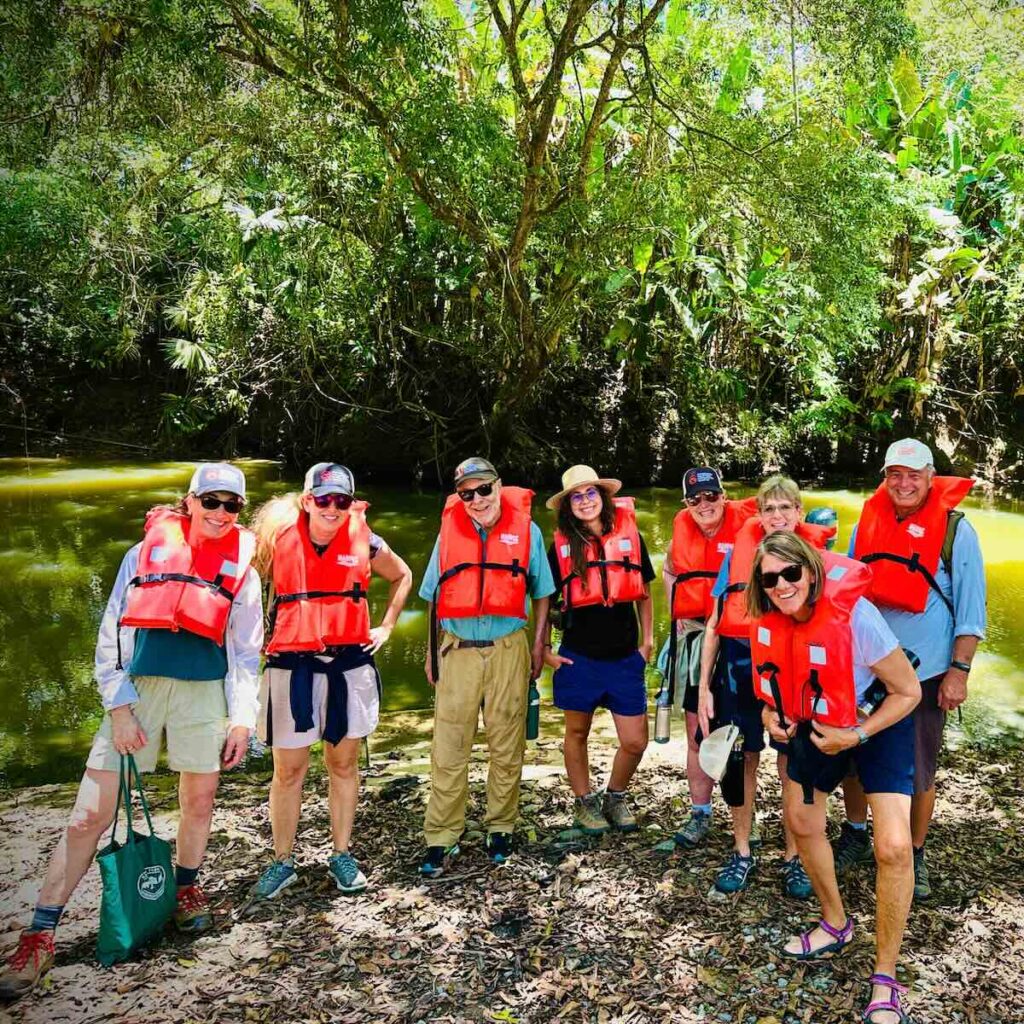
Jim Upchurch is a retired Forest Service employee, a farmer, a member of ConservationVIP’s Board, and a volunteer trip leader. Learn more about Jim on our People Page.